The Ultimate Guide to Solar Security Cameras in South Africa
Load shedding is no longer just an inconvenience — it’s become a serious security risk for millions of South African homes, farms, and small businesses. When the lights go out, traditional CCTV systems go blind, leaving your property wide open. That’s exactly why solar security cameras have exploded in popularity across the country.
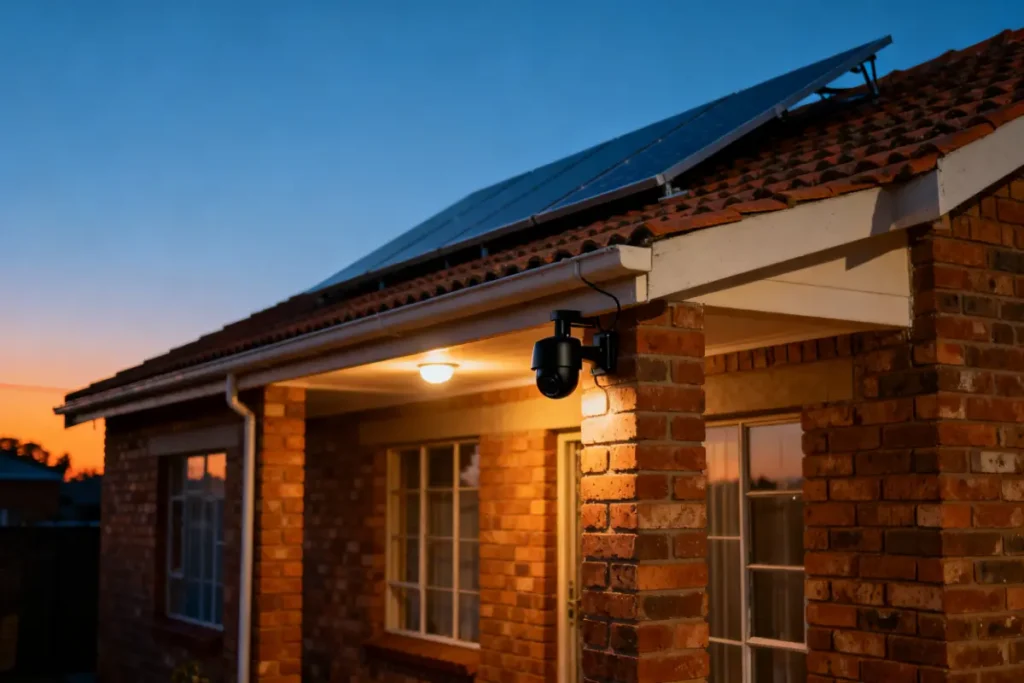
In this ultimate guide, we’ll break down everything you need to know about solar security cameras in South Africa — from how they actually work during Stage 6 blackouts to what to look for when buying on a tight budget.
How Do Solar Security Cameras Work in South African Conditions?
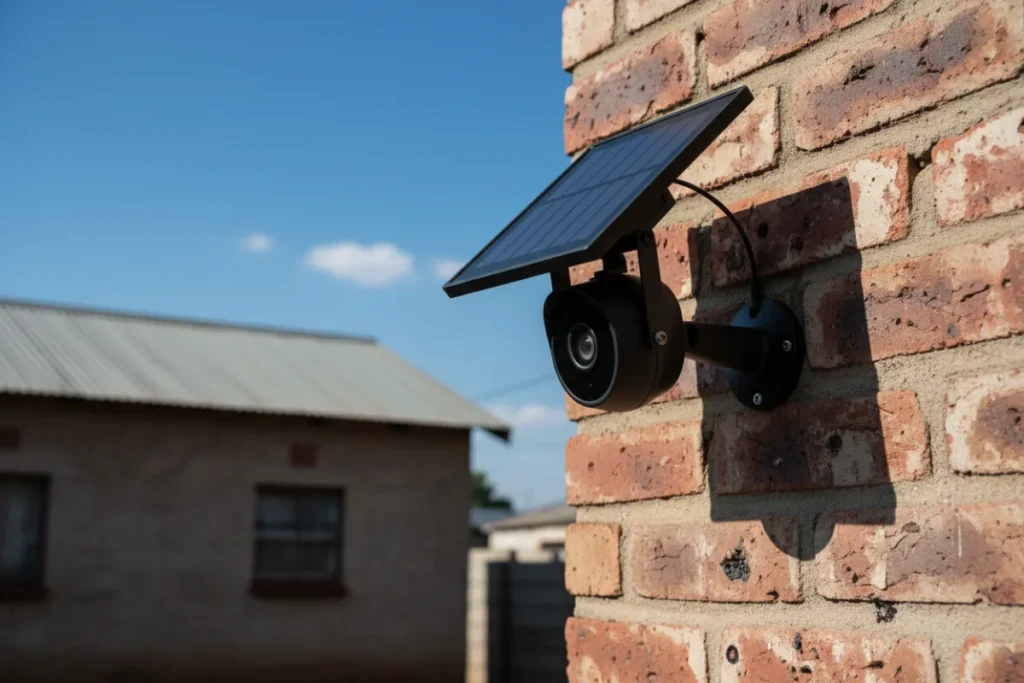
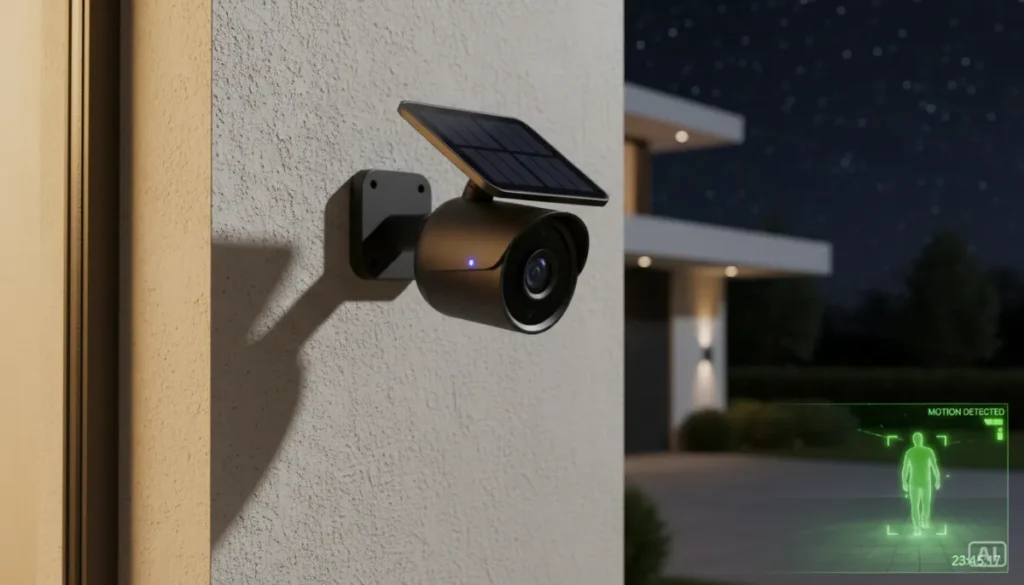
Solar security cameras combine a small solar panel with a built-in rechargeable battery and wireless technology. The panel charges the battery during the day (even on cloudy Highveld days), and the battery keeps the camera running at night or when Eskom lets us down.
The camera records motion-triggered clips or live streams straight to your phone via a mobile app. Most models use 4G SIM cards or WiFi, so they don’t need constant power from the house.
Why Solar Security Cameras Are a Game-Changer During Load Shedding
Traditional wired cameras fail the moment the inverter or generator runs out of fuel. Solar cameras? They just keep going.
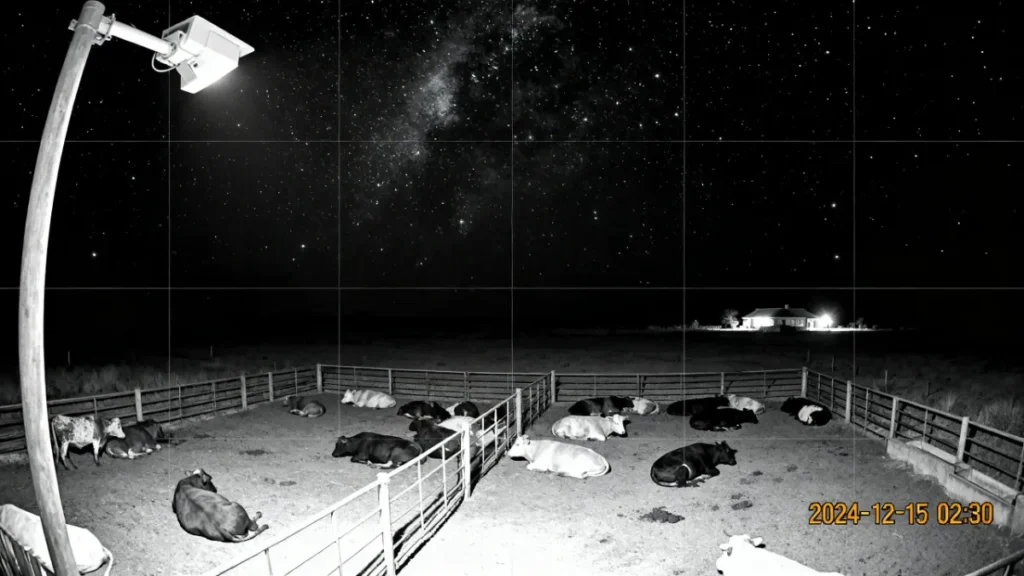
In Gauteng townships where load shedding hits hardest, families are using them to watch their yards and cars. On farms in the Free State or Limpopo, they’re protecting livestock and equipment from theft without running expensive electric fences 24/7. Even small business owners in Soweto and Cape Flats are installing them over their spaza shops.
They solve the exact problem we all face: unreliable electricity plus rising crime.
Key Features to Look for in a Solar Security Camera in South Africa
Not all solar cameras are built for our conditions. Here’s what actually matters:
- Battery & Solar Panel Quality — Look for at least 5,000–10,000mAh batteries and panels that still charge well in partial sunlight.
- Night Vision — 1080p or 2K resolution with infrared or colour night vision. Crime doesn’t only happen in daylight.
- Motion Detection & Alerts — Reliable PIR sensors that don’t trigger on every bird or passing car (important in windy areas like the Cape).
- Weatherproof Rating — IP65 or higher. Our thunderstorms and dust can destroy cheap imports.
- Storage Options — Cloud + SD card backup. Data costs are high, so local storage saves Rands.
- SIM Card or WiFi Support — 4G models work great where fibre hasn’t reached yet.
Solar Security Camera vs Traditional CCTV – Honest Comparison
| Feature | Solar Security Camera | Traditional Wired CCTV |
|---|---|---|
| Works during load shedding | Yes (battery + solar) | No (needs constant power) |
| Installation difficulty | Easy (wireless) | Hard (cables everywhere) |
| Monthly running cost | Low (data only) | Higher (electricity) |
| Best for | Homes, farms, rural areas | Large offices with backup power |
| Price range in SA | R1,200 – R3,500 | R800 – R5,000+ |
Solar cameras win hands-down for most everyday South Africans dealing with Eskom’s drama.
Best Places to Install Solar Security Cameras on South African Properties
- Above the driveway or gate (perfect for number plate capture)
- Back yard or washing line area (common theft spots)
- Farm boundaries or livestock pens
- Above spaza shop entrances
- Balconies in apartment complexes
Common Mistakes South Africans Make When Buying Solar Cameras
- Buying the cheapest model from dodgy online stores (they die after one summer).
- Installing the panel in full shade.
- Forgetting to check data usage on the app.
- Not testing the motion detection properly before final mounting.
Recommended Solar Security Camera Solution for Most SA Homes
If you’re starting out and want something reliable without breaking the bank, look at a good 2K solar WiFi/4G camera with strong battery backup.
Best security camera during load shedding. This is the one I keep recommending to my neighbours because it handles our load shedding cycles and still sends clear alerts to your phone.
It’s perfect for the average family home or small business.
Zack’s Verdict
Straight talk: If you’re tired of worrying every time the lights go out, a decent solar security camera is one of the smartest buys you can make right now in South Africa. They’re not perfect — you still need decent sunlight and a bit of data — but they solve a real problem better than anything else on the market for the price.
Don’t cheap out completely, but you also don’t need to spend R8,000. Something in the R1,500–R3,000 range will look after your family and property for years.
FAQ – Solar Security Cameras in South Africa
How long do solar security cameras last during load shedding? Most good models last 3–7 days on a full charge with normal use, longer if motion detection is set properly.
Do solar cameras work on cloudy days? Yes, but charging is slower. The built-in battery is designed to handle several days of limited sunlight.
Can I install a solar security camera myself? Absolutely. Most come with simple mounting brackets and take 20–40 minutes. No electrician needed.
Will a solar camera work without WiFi? Yes — many models use a 4G SIM card and work anywhere with cell signal.
How much data does a solar camera use? Around 1–3GB per month for normal motion alerts. Less if you use SD card storage.
Are solar security cameras legal in South Africa? Yes, as long as you don’t point them at public spaces or neighbours’ properties without permission.
What happens if the solar panel gets stolen? Most panels are screwed down tightly. Choose models with tamper alerts.
How do I clean the solar panel? Just wipe it with a soft cloth and water every couple of months — dust in Gauteng or the Karoo can reduce charging.
Conclusion
Pop over to Zacks Bargains and check out the affordable options we’ve put together specifically for South African conditions. Your family and property deserve that extra layer of protection.
Solar security cameras aren’t just another gadget — they’re proper insurance for your peace of mind in a country where power cuts and crime walk hand in hand. Whether you’re in a Joburg suburb, a Limpopo farm, or running a small shop in Durban, they give you eyes on your property even when everything else goes dark.
If you’re ready to take control of your home security, start with a solid solar camera setup.